


ANY INDUSTRY
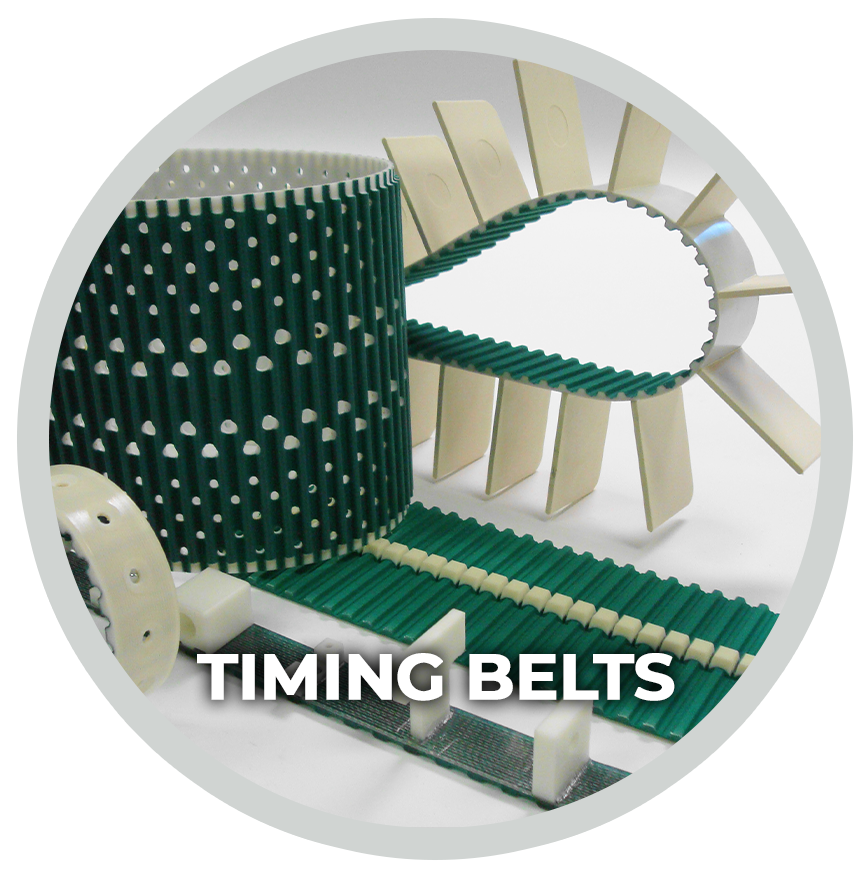
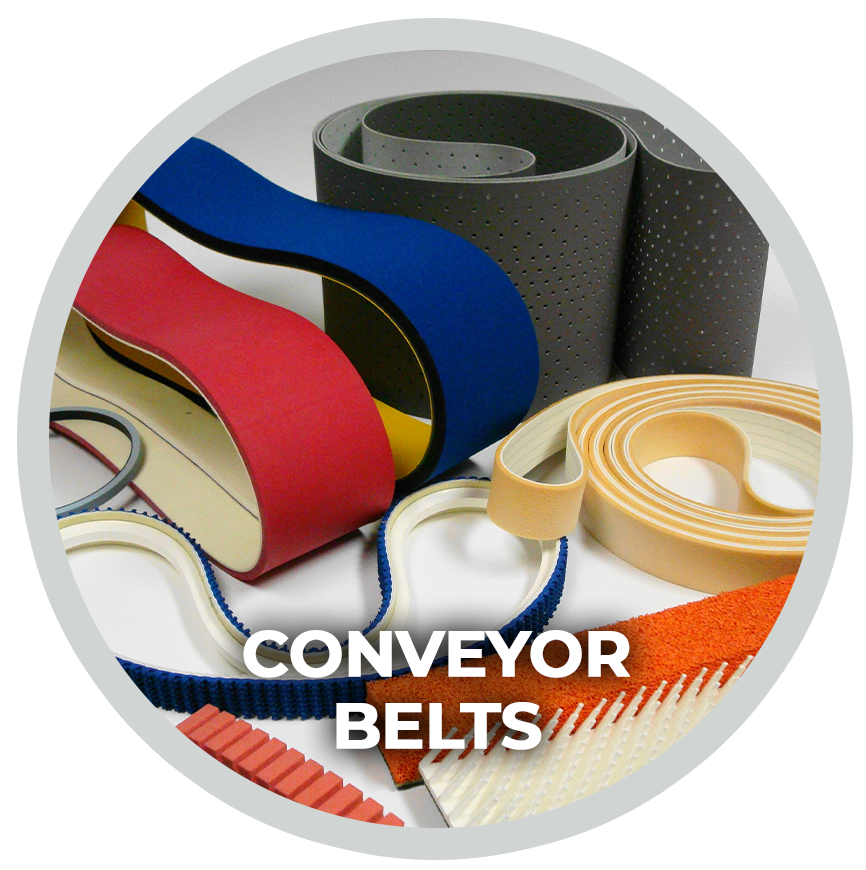
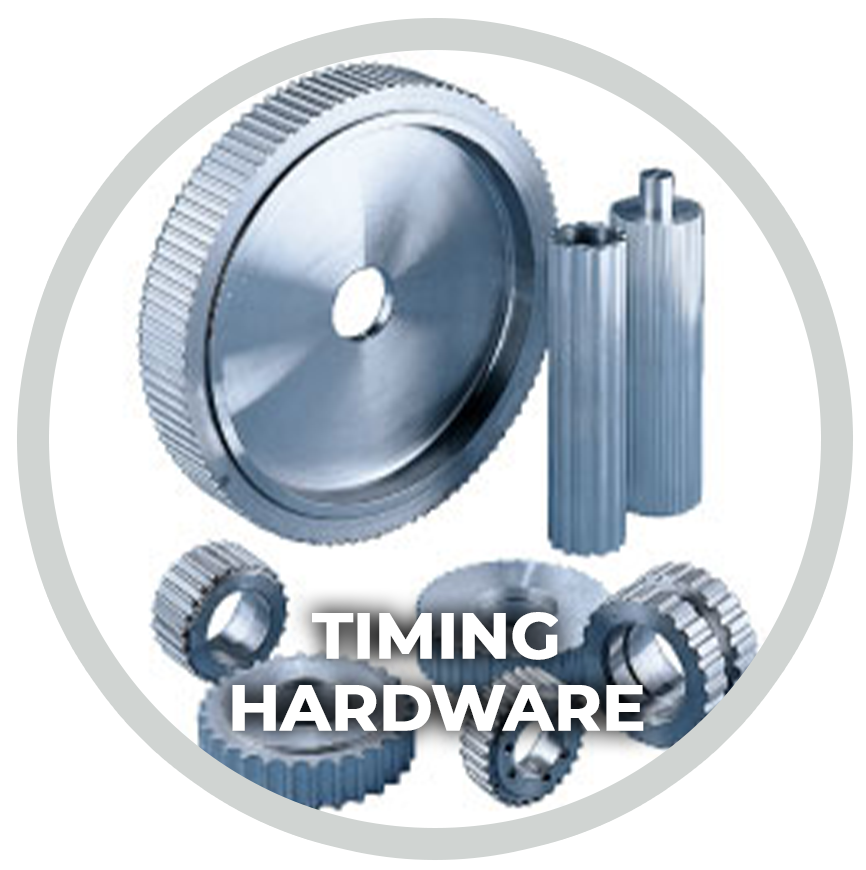
BELTING PRODUCTS & SERVICES
WE DESIGN SOLUTIONS
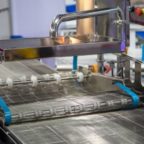
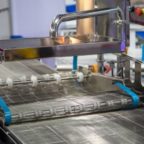
F.N. Sheppard’s belting services have the ability to engineer, manufacture, and install any belt product/hardware to keep your business producing. We have the capabilities to consult with your designers and engineers so that you’ll know the job is done right the first time.
CONTACT US TODAY
- Product Quotes?
- Installation Questions?
- Technical Information?
- much more…
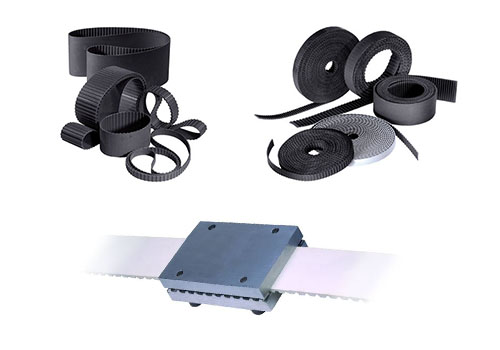
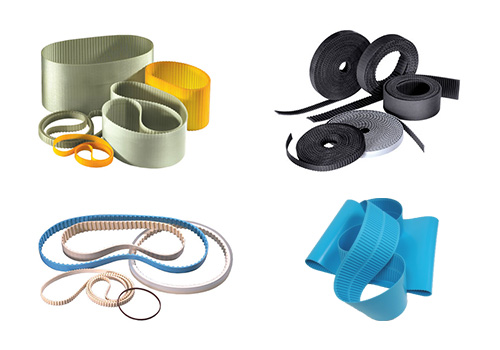
CONVEYOR BELTS
- Custom Fabricating
- TPE Food Grade *Blue Belt
- PTFE & Silicone
- much more…
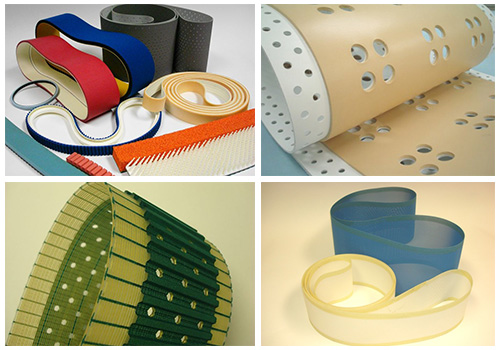
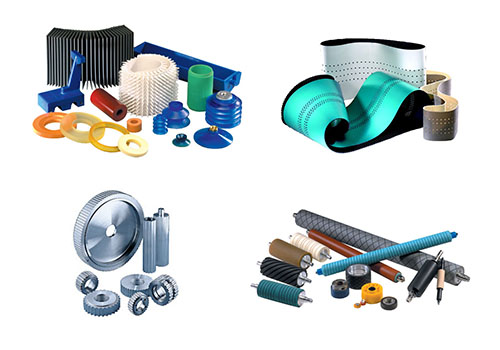
OTHER PRODUCTS
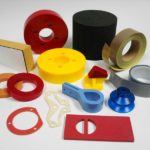
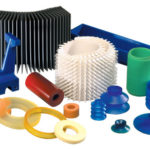
- Molded Urethane Parts
- Engineered Surface Solutions
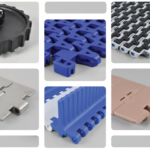
- Plastic Modular Belting
- much more…
APPLICATIONS
You have an APPLICATION, we have the BELTING SERVICES
Indexing Packaging Machine
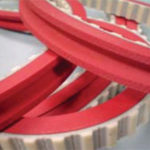
- High Friction In-Feed Belt
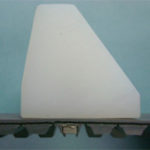
- Flighted Accumulation Belt
- Soft Compression Belt
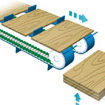
Synchronous Stacking Conveyor
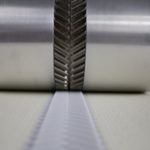
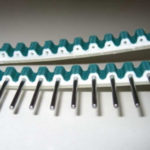
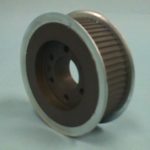
- Urethane Timing Belt
- Self-Tracking Guide
- Strong Profiles
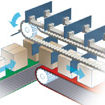
90° Overhead Sweep
- Low Friction In-Feed Belt
- High Friction Discharge Belt
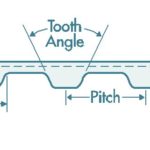
- Profile Timing Belt
WE OFFER
Unlimited BELT Designs, GLOBAL coverage

INTERNATIONAL PRODUCTS & SERVICES
From understanding your belting needs and providing consultation to engineering and complete production, FN Sheppard & Co. provides belting services and products to customer around the globe.
NATIONAL PRODUCTS & SERVICES
From belt engineering and complete belt production to on-site consultation and belt splicing/installation, the belting possibilities are endless. FN Sheppard, Co. has the ability to provide these belting services throughout the U.S.
CONTACT US
Let us HELP you to find a SOLUTION that meets your needs.
Contact us today by filling out the form on the right or feel free to contact us via email or phone.
- (800) 733 – 5773
- beltinfo@fnsheppard.com